


Revolutionizing Safety with Health Compliance Software
- Matthew Sadler
- Oct 2, 2025
- 3 min read

In today’s fast-paced work environments, ensuring safety compliance is more critical than ever. Organisations face increasing pressure to meet stringent health and safety regulations while maintaining operational efficiency. This is where safety compliance software steps in, transforming how companies manage workplace safety. By automating processes, improving data accuracy, and facilitating real-time monitoring, this technology is revolutionising safety management across industries.
The Role of Safety Compliance Software in Modern Workplaces
Safety compliance software is designed to help businesses adhere to health and safety regulations efficiently. It centralises safety data, streamlines reporting, and provides tools for risk assessment and incident management. This software reduces the administrative burden on safety officers and ensures that compliance tasks are completed on time.
For example, a manufacturing plant can use safety compliance software to schedule regular equipment inspections, track employee training records, and generate compliance reports automatically. This reduces the risk of human error and helps avoid costly fines from regulatory bodies.
Some key benefits of safety compliance software include:
Automated alerts and reminders for upcoming safety checks and training renewals.
Centralised documentation that is easily accessible for audits.
Real-time incident reporting to quickly address hazards.
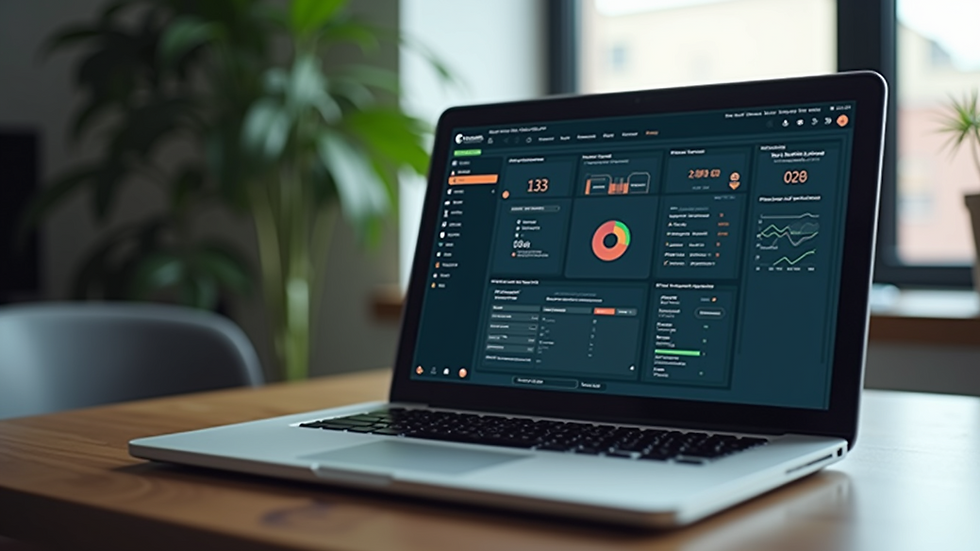
Data analytics to identify trends and prevent future accidents.

How Safety Compliance Software Enhances Workplace Safety
Implementing safety compliance software leads to a safer work environment by enabling proactive risk management. Instead of reacting to incidents after they occur, companies can identify potential hazards early and take preventive measures.
For instance, the software can analyse incident reports to detect patterns, such as frequent slips in a particular area. Managers can then investigate and implement corrective actions like improving floor traction or adding warning signs.
Moreover, safety compliance software supports employee engagement by providing easy access to safety policies and training materials. Employees can complete e-learning modules at their convenience, ensuring everyone is up to date with the latest safety protocols.
Some practical ways safety compliance software enhances safety include:
Risk assessments that are easy to conduct and update.
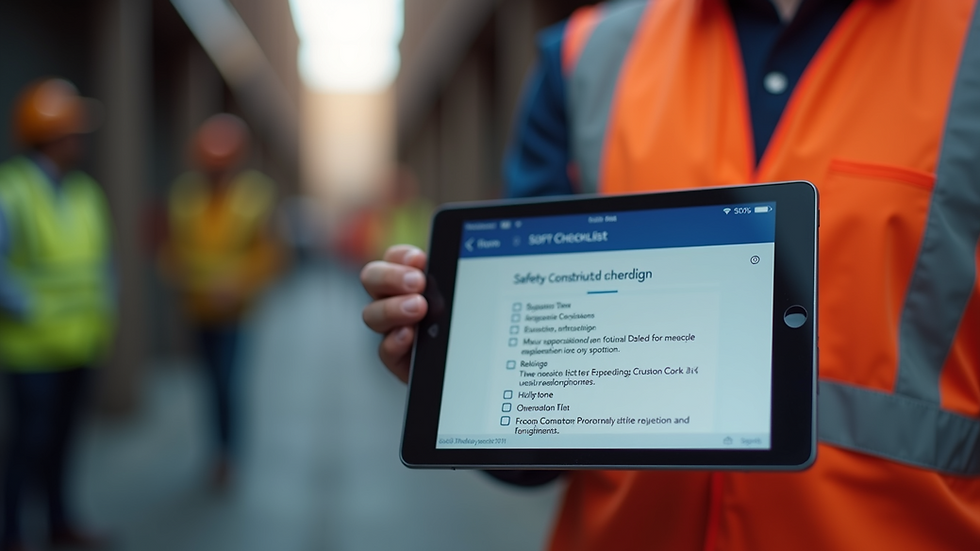
Mobile access allowing workers to report hazards instantly from the field.
Audit trails that document compliance activities for accountability.
Customisable workflows tailored to specific industry requirements.
What is an EHS Tool?
Environmental, Health, and Safety (EHS) tools are specialised software solutions that integrate environmental management with workplace health and safety compliance. These tools help organisations manage regulatory requirements related to environmental impact, occupational health, and safety risks in a unified platform.
EHS tools typically include modules for:
Incident and accident reporting
Compliance management
Risk assessment and mitigation
Training and certification tracking
Environmental monitoring and reporting
By using an EHS tool, companies can reduce duplication of efforts and improve overall compliance efficiency. For example, a construction company might use an EHS tool to monitor both site safety and environmental factors like waste disposal and emissions.
The integration of environmental and safety data provides a holistic view of organisational risks, enabling better decision-making and resource allocation.
Practical Tips for Choosing the Right Safety Compliance Software
Selecting the right safety compliance software is crucial for maximising its benefits. Here are some actionable recommendations to guide your decision:
Assess your organisation’s needs: Identify the specific compliance challenges you face and the features that will address them.
Look for user-friendly interfaces: Software should be intuitive to encourage adoption by all employees.
Check for mobile compatibility: Field workers need access to safety tools on smartphones or tablets.
Evaluate integration capabilities: Ensure the software can connect with existing systems like HR or maintenance management.
Consider scalability: Choose a solution that can grow with your organisation.
Review vendor support and training: Reliable customer service and onboarding resources are essential.
Additionally, request demos and trial periods to test the software in real-world scenarios. Engage safety officers and end-users in the evaluation process to gather diverse feedback.
The Future of Safety Management with Technology
The future of workplace safety lies in advanced technology and data-driven approaches. Safety compliance software is evolving with features like artificial intelligence, predictive analytics, and Internet of Things (IoT) integration.
For example, AI-powered systems can analyse vast amounts of safety data to predict potential incidents before they happen. IoT devices such as wearable sensors can monitor workers’ vital signs and environmental conditions in real time, alerting supervisors to dangerous situations immediately.
These innovations will enable organisations to move from compliance-focused safety to a culture of continuous improvement and prevention.
To stay ahead, companies should invest in modern health and safety software that supports these emerging technologies and fosters a proactive safety culture.
By embracing safety compliance software, organisations can significantly improve their health and safety performance. This technology not only simplifies compliance but also empowers businesses to create safer, healthier workplaces for everyone.


Comments